Bungalows are well-known & loved for their abundance of moldings- strips of wood that are used to cover transitional areas, such as those around doors or windows. Bringing the natural wood in, wood beautifies & warms our homes like no other material.
All the videos I have chosen to tell you about making the correct choices in bungalow moldings, feature Brent Hull. Carefully researching traditional woodworking methods & materials, Brent creates custom historic windows, doors, cabinetry, paneled walls, stairs, mantels, moldings. He is dedicated to imparting his knowledge of preservation in his seminars & videos. I kinda love him!
Often, bungalows have sadly been stripped of their interior woodwork. The task of figuring out how to replace it can be frustrating. Bungalows are simple & it is easy to want to go beyond the original, more simple profiles & elements.
In these videos, Brett explains the history of molding & explains what to use in your bungalow.
HE-E-ERE’S BRENT!
History of Crown Molding and 3 things to consider. (7:09)
Brent Hull
What about using crown molding in a bungalow? Brent has been doing some reading & he’ll tell you!
Moldings for an Arts and Crafts Home- Authentic details you need to understand.(
Brent Hull (12:00)
What is the proper molding for your bungalow?
How to Choose Good Moldings
Brent Hull (24:57)
Applying basic design principles to choosing your molding.
How and Why to Make Custom Moldings (5:52)
Brent Hull
Brent advises, “The value of custom made is the difference between good and great.”
I’ve been telling folks about appropriate bungalow molding for a long time & nobody has believed me. Now that Brent is saying it….
STAY IN THE BUNGALOW KNOW!!!
Sign up for our newsletter & receive our FREE E-book, 7 VITAL Things to Do Before You Hire a Contractor.
I always feel right at home when I enter a bungalow. Each feature greeting my eye combines with the others to create a charm that warms my heart & tingles my toes. This article, a Glossary of bungalow interior details explains the many parts of the whole that combine to make me feel this delicious way.
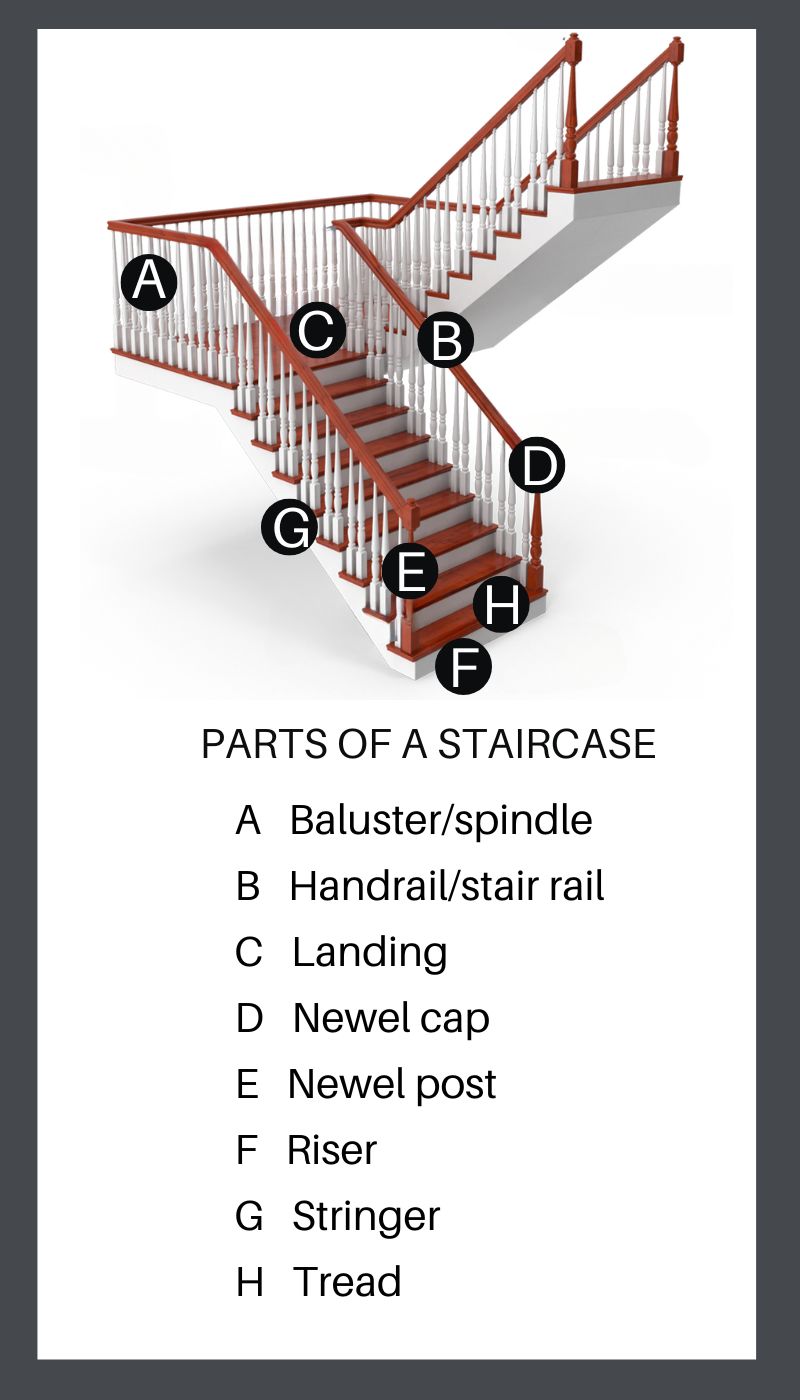
In the Glossary, I have entered all the fireplace terms under Fireplace & all the stair terminology under Stairs. I am not addressing window parts here. To view a window glossary of a walloping 27 terms, visit The Craftsman Blog.
I have numerous images for most terms on my Pinterest page, so, rather than providing images here, I will link to my Pinterest page. I encourage you to view the multiple images there. I also link to a few curated YouTube videos. The very bestest way to learn about bungalows is to read & look. (You are enthusiastically invited to follow my Pinterest & YouTube pages!)
Please alert me if I have missed defining any features that might be unknown to the novice bungalonian.
Base cabinet
A cabinet that sits on the floor & usually support the countertops. Original base cabinets in bungalow kitchens did not have toe-kicks, but ran flush to the floor.
Baseboard
A wide board that is used for hiding any unevenness in the transition where the wall meets the floor. Bungalow moldings are simple & are characterized by straight lines with flat profiles.
Bungalow baseboards were generally painted, other than in grand homes, where they were coated with a clear finish. In earlier times, moldings were made from one of two materials—wood or molded plaster.
Bay window
A window generally consisting of three wall segments. Two side wall segments are attached to the main wall plane of the home, project outward & adjoin a wall section parallel with the home’s main wall surface. Each wall section contains a window (or windows.)
Beadboard Paneling that features decorative beading & that is used typically on walls (as wainscoting) & ceilings, or on built-in or free-standing furniture. But what’s a bead? A bead is a rounded shape cut into the square square edge of the board. Beads can be simple round shapes, or more complex patterns.
Bearing Wall
Any wall that carries a structural load.
Board & batten
Board & batten is a type of wainscoting using wide boards (usually about a foot wide) overlayed with narrow wooden strips (the battens-usually about 1-4” wide) in an alternating pattern. Used mostly in bungalow dining rooms, the boards would have been stained & topped with a plate-rail supported by corbels.
Battans were also used without boards in between to dress up a room.
Box beam
Decorative ceiling beams, with no structural purpose. The beams are not solid timbers but rather boards rabbeted together, leaving a hollow space. They were available in many variations- size, intersection plans, wood species & type of finish & finish & details, but most were fairly simple. They could be made on site or, like much other millwork, ordered from a catalogue.
Breakfast nook
A small recessed area in a kitchen with built-in table & benches.
Buffet/sideboard
Usually built-in to a dining room or butler’s pantry, this piece of permanent furniture has a base cabinet, generally having drawers & doored shelving & a wall cabinet with glass-doored shelves. These pieces are wonderful for storage, especially in a smaller house with a tiny kitchen. They can be very simple or highly ornate. They are generally co-ordinated with the bookcase dividers. You can see many of them in the link in Built-ins below.
Built-ins
Millwork that is utilized as permanent furniture.
Butler’s pantry A butler’s pantry is a transitional space between the kitchen & the dining room. It is used for storage & food prep.
Casing
Pieces of wood trim surrounding a window or door.
Casement Window
A window that pivots on a side hinge much like a door with a handle to crank the window open.
Chair Rail
Traditionally used to protect the walls from getting damaged by chair backs, a chair rail is a molding that typically goes around the room’s perimeter at the chair back height.
Crown Molding
A decorative molding placed at the joint of a ceiling & wall surface. Check out these videos about the use of them in houses of different styles & periods.
Dentil A small, projecting rectangular block molding. As you can see here, their beauty is greatly enhanced by little pigs wearing hats.
Dropped Ceiling
A dropped ceiling is created by constructing a ceiling plane lower than the actual ceiling height. A dropped ceiling is sometimes used to save on saving heating costs in our high ceiling bungalows. They often conceal asbestos-impregnated (or not) “popcorn” or “acoustical tile” ceiling, or sometimes, bad plaster.
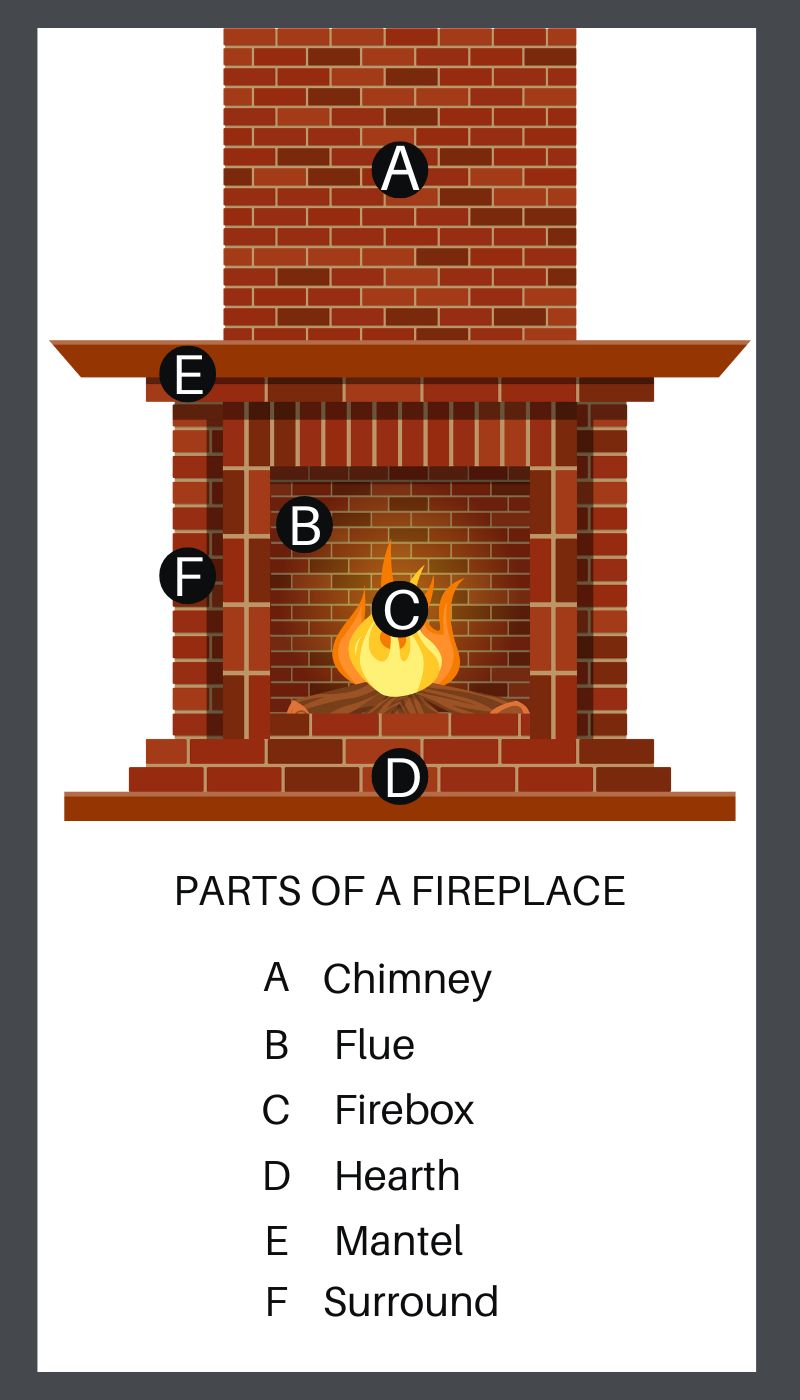
Chimney
The chimney starts at the top of the firebox & forms a tower that extends past the roofline to carry smoke up & away from the house. You can see the chimney on the outside of the house. Here are some extraordinary ones!
Flue
A duct for the smoke & waste gases produced by a fire which is lined with a heat & moisture resistant material to protect the chimney structure.
Firebox
The main component of the fireplace where the fire is built, or an insert is placed. It is lined with heat resistant firebricks.
Hearth
Located at the fireplace base, it usually extends from inside the firebox anywhere from 16 to 18 inches outside the firebox onto a raised base or it can be flush with the floor, protecting the flooring from heat & embers. It must be made from a non-combustible material.
Mantel
The decorative ledge placed over the firebox opening.
Surround
The area surrounding the firebox’s perimeter, typically ranging from 8 to 12 inches. It protects the home’s interior from the fireplace’s heat & must be non-combustible. The surround provides a wonderful opportunity to employ one of the most iconic Arts & Crafts materials, ceramic tile.
Fixtures
Any electrical, HVAC, or plumbing appliance or article that is attached to the structure. (e.g., sink, tub, water heater, furnace, etc.)
Frieze
A broad horizontal band of sculpted or painted decoration, especially on a wall near the ceiling or a horizontal paper strip mounted on a wall to give a similar effect. See some lovely examples here.
Inglenook
An inglenook, or chimney corner, is a large recess in the wall featuring a fireplace. This recess which usually houses the flue or chimney, extends wider than a standard chimney & creates a walk-in alcove. See some darling ones here!
The word comes from “ingle”, an old Scots word for a domestic fire and “nook” a spot within a larger space that offers some form of seclusion. They are not common but I managed to find a few on Pinterest for you to see.
Lites
Separated glass areas in a window, usually separated by some sort of grid pattern.
Millwork
As Gustav Stickley wrote a century ago, “no other treatment of the walls gives such a sense of friendliness, mellowness, & permanence as does a generous quantity of woodwork.”
All types of millwork can be viewed in Built-ins.
Molding
A strip of wood that is used to cover transitional areas, such as around doors or windows.
Picture rail
A horizontal piece of molding installed just below a ceiling. A hook is latched onto it & then a string is suspended from the hook that holds the picture.
Pillar
A post or newel that extends to the ceiling height.
Plinth Block
A decorative block of wood often used at the bottom of door casings where the baseboard meets the door.
Pocket Door
A space-saving door style that slides into the wall rather than swinging open into a room or hallway.
Portieres are curtains between rooms. In homes built before the electricity to run heating & cooling, these curtains allowed rooms to stay toasty from a fire in the fireplace or stove. Many of them are fine pieces of textile.
Profile
A shape that is applied to the edge of a piece of wood such as a door or window frame, exterior or interior trim or a window or door jamb.
Wainscoting
Merriam-Webster defines it as “a usually paneled wooden lining of an interior wall, a lining of an interior wall irrespective of material, and the lower three or four feet of an interior wall when finished differently from the remainder of the wall.”
It originally protected plaster walls from chairs bumping into the wall, & earlier, from riding spurs & scabbards.
So, board & battan is wainscoting, or, boards without the battan, just the plain, bare wall, or a papered wall. (Just make sure your guests check their swords at the door.) Beadboard, when used on walls is wainscoting.
Wall Cabinet
A wall cabinet is sometimes called an overhead cabinet. Wall cabinets are typically hung on the wall above a base cabinet.
TIP: Check out the glossary for bungalow exteriors here!
STAY IN THE BUNGALOW KNOW!!!
Sign up for our newsletter & receive our FREE E-book, 7 VITAL Things to Do Before You Hire a Contractor.
I learned about the culture of the early 20th Century at my mother’s knee (& other low places. Her favorite joke.) . The stories she told me about my grandmother, born in 1888, growing up on the farm, & the fascinating tales of her own life & times, combined beautifully with my own old-timey nature & held me securely me in those periods as others are anchored to the generation of their birth.
Not surprisingly, I have always lived in an old house & I always felt a special kinship with it, but it wasn’t until I owned my first home that I learned the concept of stewardship & became curious about- no, actually compelled to start researching the history of my bungalow & discovering its secrets.
A building is a composite of the culture & technology of its day. A custom-built home tosses in the tastes & lifestyle of the homeowners. Who were they? What inspired them? How did the house serve their needs? So, let’s make those walls talk!
BE PREPARED!
My suggestion for keeping the maze of information easy to follow is to start by creating a system in which to keep your research orderly because you could end up with many pages of documents, both hard & digital. Set up a dedicated hard file & a digital one in your computer in which to stash your finds.
You might also want to create a spreadsheet to make a map of your data so you know where you’ve been. In this you would have such columns such as the document name, its date, publisher, your source & a space for notes & most importantly, where can it be found in your hard or digital files. Each piece or group of information can lead to the next so you want to keep your clues untangled!
GETTING STARTED RESEARCHING THE HISTORY OF YOUR BUNGALOW
Are you in a historic district, or has your house been designated as a historic structure? (This information should have been disclosed to you when you purchased your house because these designations often come with restrictions, but, sometimes there are surprises!) If so, the designating planning body should have information about it. Even if you are not, your house could have been part of a historic survey at one time so check with your city & state preservation offices.
OLD HOUSE GROUPS
Your local historic society can often provide a great deal of information from their archives. Also, see if there’s a preservation advocacy group near you & enlist their aid. Even if they don’t have information about your specific house, they will be able to provide you with a great deal of information on your city, maybe even on their website! I recommend being connected with & supporting these groups. If you are an old house lover, they’re your peeps!
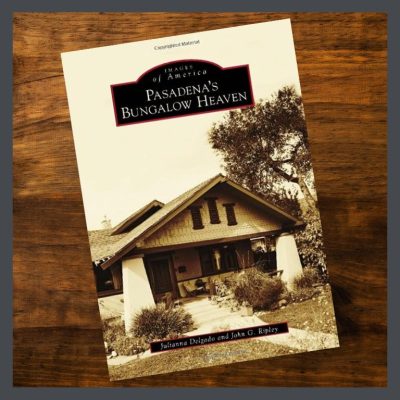
”For over 20 years Arcadia Publishing has reconnected people to their community, their neighbors, and their past by offering a curbside view of hometown history.
Composed in a unique pictorial format with over two hundred vintage images and accompanying captions, Arcadia books animate the cherished memories, people, places, and events that define a community.”
The next place to start is your own observations. Does the layout make sense? Are there indications of add-ons? This can confuse records because sometimes a build date can be listed as the date a later addition was permitted. I’ve seen houses that were clearly built close to the turn of the last century with recorded build dates that were post WW II.
In researching the history of your bungalow, look around your neighborhood. Are their houses that look similar? Talk to your neighbors & ask what research that they have done. They may have made discoveries that would enrich with what you are seeking.
One interesting factor is to notice how your house & the surrounding houses, orient to one another. In my neighborhood, you can clearly see what was the original farmhouse. Much older than the other houses, it faces what is now a big city street, with its back door facing the rest of the neighborhood. Most neighborhoods began as farming communities & in researching the history of your bungalow, you’ll find that the story of your local neighborhood forms a large chapter in the history of your own house.
THE BUNGALOW HISTORY RESEARCH PAPER TRAIL
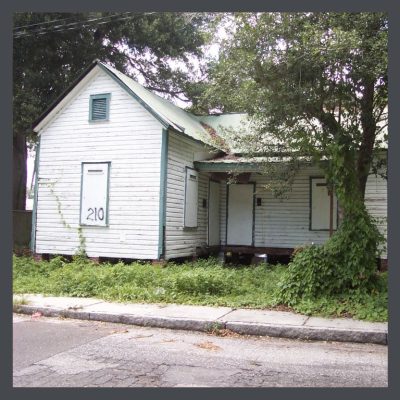
Know this- the older your house is, the more changes could have occurred with regard to its location- street numbers, street names, even town & city names & borders. And, the house itself could have been moved maybe just blocks or even many miles! So pay attention to any oddball changes you might see as you are doing your research- those facts that don’t line up. For example, an odd build date can reflect a house move. You don’t want to be researching the history of the house that was demolished to make room for your house! I’m sure the lives of its inhabitants are worth knowing about, but it’s not what you’re after! This Folk Victorian that I restored (You can see the sad tale here.) had been moved from another neighborhood to make room for a highway project. It was weird to do research for a different address but at least I knew that it had come from another location & I had the correct original address for it.
Additionally, public records can be incomplete or inaccurate due to human error, floods & fires destroying decades of information & illegible from age or just terrible hand-writing. Your search is not likely going to be linear, but more cobbled together like a puzzle, as you search for like pieces from different sources that form bits of the whole picture, some contradicting other materials & some validating it. This is why you want to keep those records in good order when researching the history of your bungalow!
HOME OWNERSHIP RECORDS
Visit your local county’s Tax Assessor’s office which will provide ownership records & descriptive information. You may have to go to a separate location to view archived records, or perhaps they will be helpful to find them for you & bring them to the office.
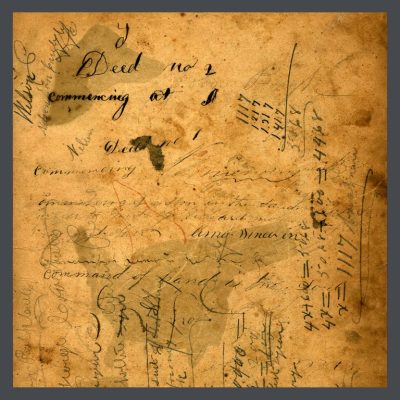
Next, head to the county courthouse to search for deeds & follow ownership backward. Take notice of how the property may have changed hands- liens, judgements, inheritance, etc. & you may need to check other records such as civil courts or wills to get more of the story.
The building department may have records of permits. Sadly, they do not generally go back very far, but sometimes you can be surprised. You may be told that the records you seek are not digitized but are archived. Very pleasantly request access to these records. You may need to be persistent in doing this!
Then, with all your information, head for your local public library. I can almost guarantee that you will find at least one librarian there who is a local history expert & she will happily point you in the right direction to flesh out your data. Local colleges & universities can also provide a wonderful amount of material as well as friendly & enthusiastic librarians who hold much data in their heads.
CITY DIRECTORIES
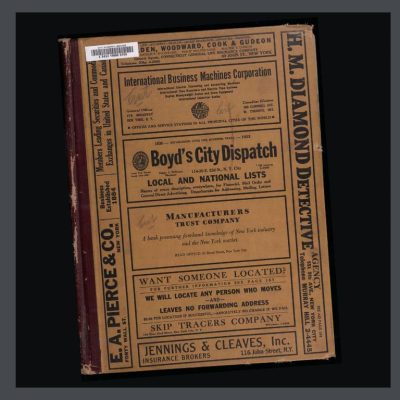
The Library of Congress’s collection of telephone/city directories represents the following states and localities: Alabama, Alaska, Arizona, Arkansas, California, Colorado, Connecticut, Delaware, the District of Columbia, Florida, Georgia, Hawaii, Iowa, Maryland, Pennsylvania, and the city of Chicago. Most local libraries will have these directories to many local ones, covering most of the 20th Century also.
Many of these directories are arranged geographically, in other words, by street name, so you can look for your address in any particular year’s edition & see if was included. This is often very helpful in discovering the year your house was built. In one volume you’ll see it. Checking earlier, you won’t!
THE SANBORN MAPS
These maps were created to allow fire insurance companies to assess their total liability in urbanized areas of the United States. Founded in 1866, the company made maps of churches, schools, commercial, industrial & residential properties. These maps are helpful for determining build dates & also footprints of houses, including outbuildings. They also show the locations of windows & doors, building use (sometimes even particular room uses) as well as the composition of building materials including the framing, flooring, & roofing materials.
These maps can be accessed via the Library of Congress & through many local libraries. They are very beautiful. so, old house nerd that I am, I have saved some of the most lovely ones for you here on Pinterest.
There are also general maps that can be accessed from Old Maps Online. A fun feature of this site is that you see the evolution of a place by overlaying old maps on top of modern ones to compare historical maps to current data. This provides a visual clue to the development of areas over time.
CENSUS RECORDS
Another great tool is census records which paint a detailed picture of each person living in the house. For example, the 1910 (my favorite year) census records the following information for each person:
• name
• relationship to head of household
• sex
• color or race
• age at last birthday
• marital status
• length of present marriage
• if a mother, number of children & number of living children
• place of birth
• place of birth of parents
• if foreign born, year of immigration and citizenship status
• language spoken
• occupation
• type of industry employed in
• if employer, employee, or self-employed
• if unemployed
• number of weeks unemployed in 1909
• ability to read & write
• if attended daytime school since September 1, 1909
• if home is rented or owned
• if home is owned, free, or mortgaged
• if home is a house or a farm
• if a survivor of Union or Confederate Army or Navy
• if blind in both eyes
• if deaf & dumb
This data can be accessed through the National Archives, but your local library can probably help you with it too.
NEWSPAPERS
NewspaperArchive provides links to millions of pages from 12,111 publications in 2,671 papers all over the U.S., starting way back in 1736.
They gather information from libraries, historical societies, & newspaper publishers, amassing content that will help you find the stories that will further your research on your bungalow.
The search can be arduous, but poking around on the site I discovered that Reverend Alfred Hare, the builder of the Hare house, played the guitar & was very active in the social life of my town, Eagle Rock, as well as participating in community betterment activities. I also found the obituary of his wife’s father. In general, I was able to get a good idea of the lives & characters of the Hare’s & gain a greater understanding of the some of the puzzling features of the house. And fell more in love with them.
I also got an idea of how life had been in my town around 1910. The funny thing is, it hadn’t changed all that much! It was still centered around our cultural center, which had been a Carnegie Library, & the 20th Century Women’s Club, to which I belonged in the 21st Century.
PLAN BOOKS
A large number of bungalows were built from plan books, many of which can be accessed here. Instead of drafting whole new blueprints, builders would adapt these plans to the lot & to clients’ needs. Many people believe that they have kits houses because they see so many houses that are similar, but what they actually have is a home built from a plan. There was even a self-proclaimed “Bungalow Man,” Los Angeles architect Henry L. Wilson, who published catalogues of bungalow designs, complete with plans & specs for $10.00. Many of them are unique to the California landscape, providing a broad broad view of bungalow designs of the region, expressing what Wilson termed “artistic beauty & cozy convenience.”
This book was reprinted by Dover, is available on Amazon & other book outlets & especially should you live in California, I recommend it highly.
GENEALOGY & OTHER WEBSITES
You will find many names as you are looking through the above sources. (Luckily, you have jotted them in your well-organized, copious notes.) You can plug these names into these sites to find out more & can even help you locate living relatives. Some of these folks will be happy to speak with you & might even have old images.
Ancestry, an American genealogy company has an enormous database. To access their information from home, you have to pay fees, but, most libraries allow you to access all their data for free from the library’s computers. The advantage to doing from the library is that you have the reference librarians nearby who love helping people find the answers to all their questions.
Find a Grave is another site that offers a huge amount of information, including names of relatives relatives & often brief bios.
Please let me know about any other great resources you might discover. I’m very eager to know what your walls tell you!
TIP: I put together a collection of very informative videos to further orient you to the research process. You can watch them here.
STAY IN THE BUNGALOW KNOW!!!
Sign up for our newsletter & receive our FREE E-book, 7 VITAL Things to Do Before You Hire a Contractor.
Researching the history of your bungalow can be arduous, but I guarantee that it will be rewarding.
In addition to learning about the previous occupants of your home, you will make new/old friends, who may be long gone, but through your research you will come to understand them & the period in which they lived. Many of these people were leaders & you will discover their many accomplishments. You also might uncover why certain puzzling choices were made in your house by the original homeowner.
Solving the puzzle of a house history can be discouraging at times, but if you persist, I think that the many findings & insights that you will gain, will increase your enjoyment of your house tremendously. And future stewards will love you!
I have curated the clearest & most thorough videos that I could find. My suggestion is that you watch them to get an overview of the process, & then use the article to guide you through the steps.
LET’S WATCH THE VIDEOS!
Researching the History of Your House (9:30)
HumanitiesDC
Although the narrator says “DC house” 1,642 times, the information applies to all cities.
25 tips on how to research your house history and previous owners (21:15)
Linda Davis
Diving deeper.
Researching the History of a House (1:07:38)
American Ancestors- New England Genealogical Historical Society
A more scholarly presentation.
TIP: Read my article on why this stuff is important!
STAY IN THE BUNGALOW KNOW!!!
Sign up for our newsletter & receive our FREE E-book, 7 VITAL Things to Do Before You Hire a Contractor.
“Is it true that you could once buy a house from a catalogue?”
“Do I have a kit house?”
“How can I identify which house I have?”
During my years as a historic preservation advocate, at event after event, I think that these are the questions I have been asked the most frequently.
Though last year, nearly 81% of the American population shopped online, the novelty of a whole house arriving on a train intrigues. I find the picture of a family waiting at the station in excited anticipation of hearing the toot of the train signalling the arrival of their first home, to be most endearing. Who would not wish to be a part of this story?
Sadly, Sears, the primary outlet for these homes, destroyed their sales records during a routine corporate house cleaning, so finding information on individual houses today can entail quite a bit of patient research. Adding to the mystery, the various companies that offered these homes often copied plan elements or even complete designs with only small changes from one to other. As a result, there are a number of models from different manufacturers that look similar or identical to other models. Determining which company manufactured your home may well require extensive searching.
So much has been written on kit houses that I have chosen to just be a reference librarian here & point you in the direction of the wealth of information that already exists on the subject. Whether you are merely curious, or have the burning desire to uncover whether you have a kit house or not, these references should provide you with what you need.
BOOKS ANSWERING THE QUESTION, DO I HAVE A KIT HOUSE
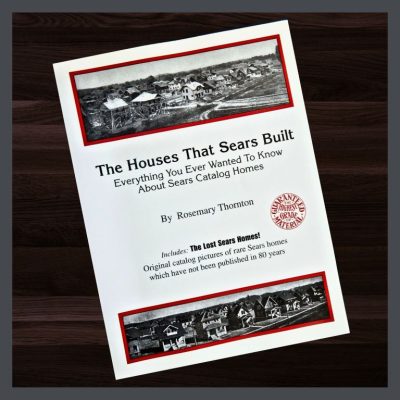
The Houses That Sears Built; Everything You Ever Wanted To Know About Sears Catalog Homes
by Rosemary Thornton
From the author:
“When you have finished reading The Houses That Sears Built, you will be your community’s expert on Sears homes. You’ll learn how to identify Sears homes from the inside, outside and from courthouse documents. You’ll learn the interesting details of Sears homes’ construction.”
Also by Rosemary Thornton Finding the Houses that Sears Built; A Guide to the 60 Most Popular Designs
Thornton explains, “If you learn how to identify these 60 designs, [of the almost 400 designs offered] you’ll discover about 90% of the Sears homes in your community.”
And perhaps one of these is yours!
And,
introduced by Rosemary Thornton & Dale Patrick Wolicki, California’s Kit Homes: A reprint of the 1915 Pacific Ready Homes Catalog
And,
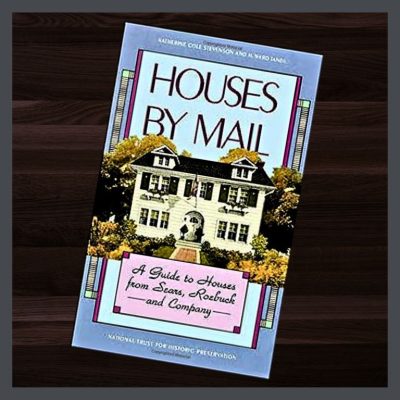
Houses by Mail: A Guide To Houses from Sears, Roebuck & Company
by Katherine Cole Stevenson & H. Ward Jandl.
This definitive field guide for identifying Sears homes tells their curious story & provides meticulously researched material to aid in identifying Sears houses across the U.S.
The book features nearly 450 house models with more than 800 illustrations, including drawings of many houses & floor plans & gives advice on how to return them to their original charm.
These books are available from several book sellers. I recommend searching the titles to find out who might have them currently in stock. The prices are all over the place, so my advice is to keep looking until you find one that is most affordable.
ONLINE SOURCES OF INFORMATION ON KIT HOUSES
Sears Houses in the U.S.
Historic homes that were sold as kits, and shipped to homeowners by rail.
These researchers maintain the National Database of Sears Houses, authenticating each entry through public records or other primary sources data. They have a page with a list of blogs that provide information about houses in specific areas of the country.
Wikipedia has an extensive article on kit houses, including information about:
Design
Delivery & construction
Customization
Advertising
Kit house companies
with an authoritative bibliography & excellent linked references.
And,
If all the above fails, there is a group page, The Original Sears Kit Homes Group on Facebook- Since 2009, that you can join. Should you discover that your house is a kit house, but it was not made by Sears, I invite you to start a group that covers the other manufacturers. I think that people would flock to it!
And finally, visit my playlist of curated videos on YouTube. They contain huge amounts of information & some cool images. My favorite one is presented by the state architectural historian at the Vermont Division for Historic Preservation, Devin Colman. His in-depth, scholarly talk is very thorough but easy to comprehend, & he shows many illustrations. This is a man who clearly has a strong background in historic architecture & presents the kit house phenomenon against the culture & the technology of the times.
And,
to see a boatload more images of kit houses, visit my Pinterest page.
My fingers are crossed for you that you can discover the source of your house. Please keep me posted & let me know of any helpful resources that I have omitted.
I would love to feature your house & your story on the blog.
And,
STAY IN THE BUNGALOW KNOW!!!
Sign up for our newsletter & receive our FREE E-book, 7 VITAL Things to Do Before You Hire a Contractor.


 Bungalows are well-known & loved for their abundance of moldings- strips of wood that are used to cover transitional areas, such as those around doors or windows. Bringing the natural wood in, wood beautifies & warms our homes like no other material.
 I always feel right at home when I enter a bungalow. Each feature greeting my eye combines with the others to create a charm that warms my heart & tingles my toes. This article, a Glossary of bungalow interior details explains the many parts of the whole that combine to make me feel this delicious way.



 Chimney



 Baluster/spindle

 I learned about the culture of the early 20th Century at my mother’s knee (& other low places. Her favorite joke.) . The stories she told me about my grandmother, born in 1888, growing up on the farm, & the fascinating tales of her own life & times, combined beautifully with my own old-timey nature & held me securely me in those periods as others are anchored to the generation of their birth.
 My suggestion for keeping the maze of information easy to follow is to start by creating a system in which to keep your research orderly because you could end up with many pages of documents, both hard & digital. Set up a dedicated hard file & a digital one in your computer in which to stash your finds.
 Your local historic society can often provide a great deal of information from their archives. Also, see if there’s a preservation advocacy group near you & enlist their aid. Even if they don’t have information about your specific house, they will be able to provide you with a great deal of information on your city, maybe even on their website! I recommend being connected with & supporting these groups. If you are an old house lover, they’re your peeps!
 Know this- the older your house is, the more changes could have occurred with regard to its location- street numbers, street names, even town & city names & borders. And, the house itself could have been moved maybe just blocks or even many miles! So pay attention to any oddball changes you might see as you are doing your research- those facts that don’t line up. For example, an odd build date can reflect a house move. You don’t want to be researching the history of the house that was demolished to make room for your house! I’m sure the lives of its inhabitants are worth knowing about, but it’s not what you’re after! This Folk Victorian that I restored (You can see the sad tale
  Visit your local county’s Tax Assessor’s office which will provide ownership records & descriptive information. You may have to go to a separate location to view archived records, or perhaps they will be helpful to find them for you & bring them to the office.
 The Library of Congress’s collection of
  These maps were created to allow fire insurance companies to assess their total liability in urbanized areas of the United States. Founded in 1866, the company made maps of churches, schools, commercial, industrial & residential properties. These maps are helpful for determining build dates & also footprints of houses, including outbuildings. They also show the locations of windows & doors, building use (sometimes even particular room uses) as well as the composition of building materials including the framing, flooring, & roofing materials.
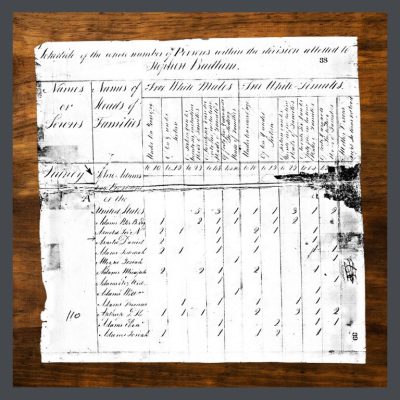 Another great tool is census records which paint a detailed picture of each person living in the house. For example, the 1910 (my favorite year) census records the following information for each person: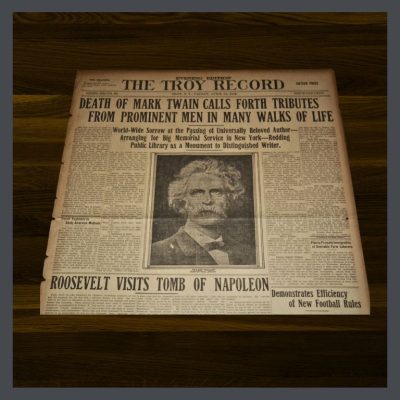
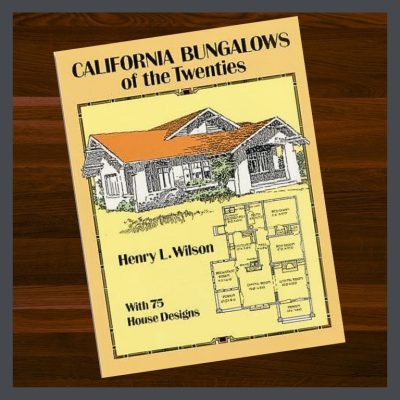 A large number of bungalows were built from plan books, many of which can be accessed
 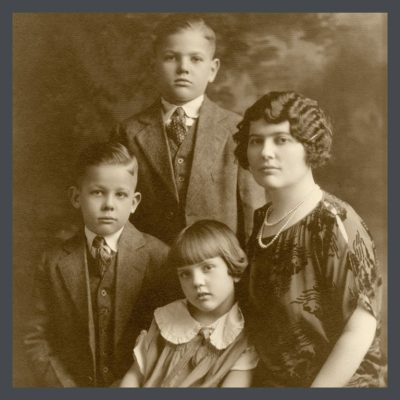 You will find many names as you are looking through the above sources. (Luckily, you have jotted them in your well-organized, copious notes.) You can plug these names into these sites to find out more & can even help you locate living relatives. Some of these folks will be happy to speak with you & might even have old images.
 Researching the history of your bungalow can be arduous, but I guarantee that it will be rewarding.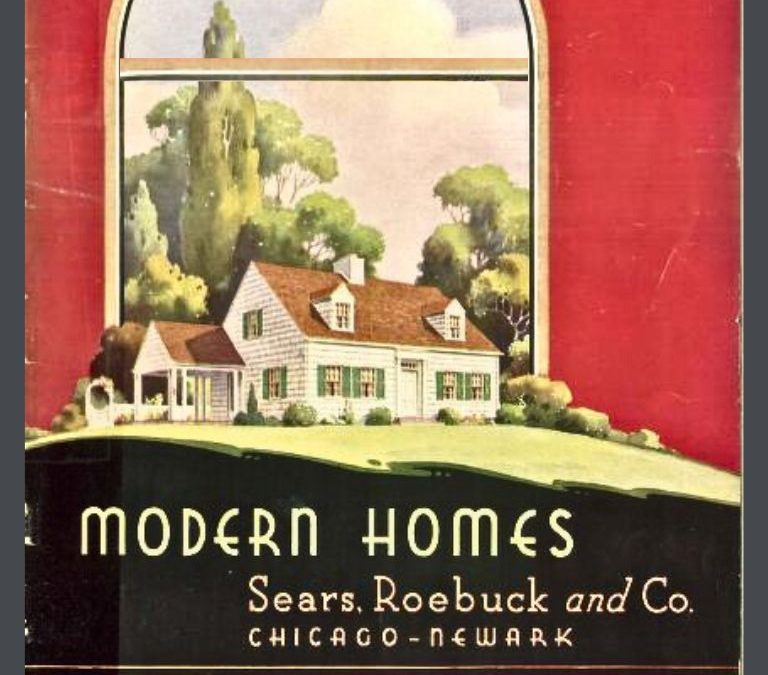
 “Is it true that you could once buy a house from a catalogue?”
 The Houses That Sears Built; Everything You Ever Wanted To Know About Sears Catalog Homes
 Houses by Mail: A Guide To Houses from Sears, Roebuck & Company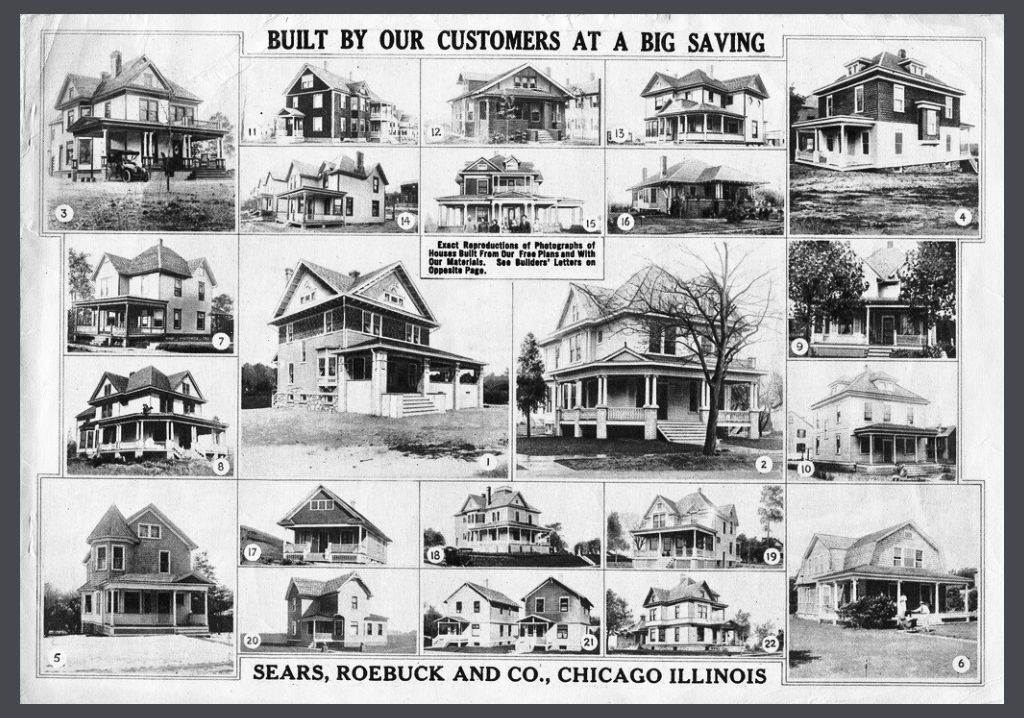
 If all the above fails, there is a