

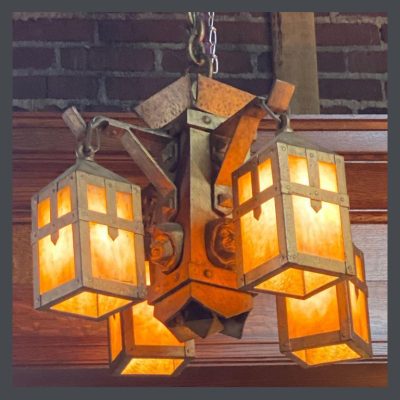
 If you should be fortunate enough to have a bungalow, architectural salvage can be your BFF. Merriam Webster defines salvage as “property saved from destruction in a calamity (such as a wreck or fire).”
Cambridge adds, “to try to make a bad situation better.”
Not surprisingly, the derivation is from the French, “to save.”
Personally, I consider the destruction of a historic building, by Mother Nature, Father Time, or the hand of Man to be a crushing calamity & I have spent my adult life trying to get people to understand their value. Read my story here.
There are so many arguments against annihilating our built heritage financially, culturally & aesthetically that it both puzzles & pains me that our it is destroyed so casually. Whether by neglect, natural disaster or ignorance & short-sighted greed, the stories of our communities are lost forever, turned to rubble & to dust.
Making lemonade, making “a bad situation better,” out of this sour mess, are those who are involved in architectural salvation. Architectural salvage involves carefully removing materials from a historic (or even a newer) structure that is going to be remuddled or completely destroyed. Instead of ruining these materials, & sending them to the landfill, salvagers give them a new life. Here’s a page of them, recommended by my Facebook followers outlets all over the U.S.
ARCHITECTURAL SALVAGE IS GREEN
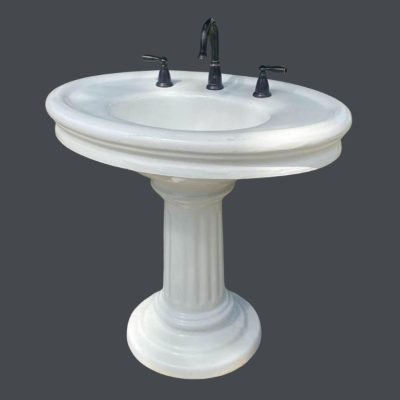 The footprint of architectural salvage materials is generally only that of transportation, from the original site, to the warehouse, to its final resting place, your bungalow. Keeping tons of stuff out of the landfills is almost beneficial.
My buddy, Doc, of Doc’s Architectural Salvage and Reclamation Service, outside of Nashville, who provided me with all these gorgeous images, is a master of the art. His well-ordered, abundantly stocked shop, Architectural Salvation is 38,000 sq. ft. of fine salvaged materials from homes, churches & commercial buildings & even ships. He & his crew have meticulously extracted these items from doomed structures, hauled them to his shop, cleaned & repaired them & offer them for sale to those who understand & appreciate their value.
I’m not going to try to ‘splain about Doc or Doc’s Architectural Salvation to you here when his website & social media do a good job of it. However, in the interest of full disclosure, Doc allows me to use his images for my blog & social media & buys me tacos when I visit him for the mention. I love tacos.
ANOTHER BONUS OF SHOPPING FOR ARCHITECTURAL SALVAGE
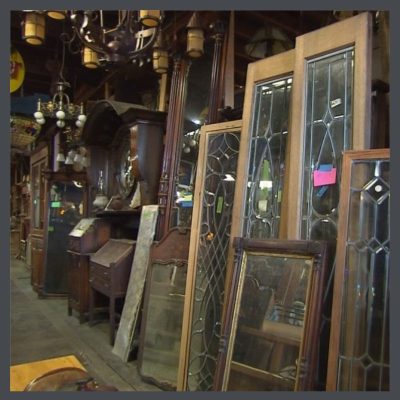 The people who run these places have huge amounts of knowledge that they are willing and eager to impart to you for free. They are experts & aficionados of historic architecture & design. They have seen these old items in their original settings. They can date them. Often, they have repaired them so they know a great deal about the materials & construction of each one. Just visit for a lesson. You will be warmly welcomed. (Yes, there are a few curmudgeons in the mix, but the worst one is now retired!)
Please visit the BUNGALOW ARCHITECTURAL SALVAGE RESOURCES page to see outlets from all over the U.S. that were recommended by my Facebook followers. I encourage you to add the ones that you like the best too. Just scroll on down to the comments section.
 STAY IN THE BUNGALOW KNOW!!!
Sign up for our newsletter & receive our FREE E-book, 7 VITAL Things to Do Before You Hire a Contractor.

0 Comments